How Old Is Your Dog? (and why you may need more Vitamin S)
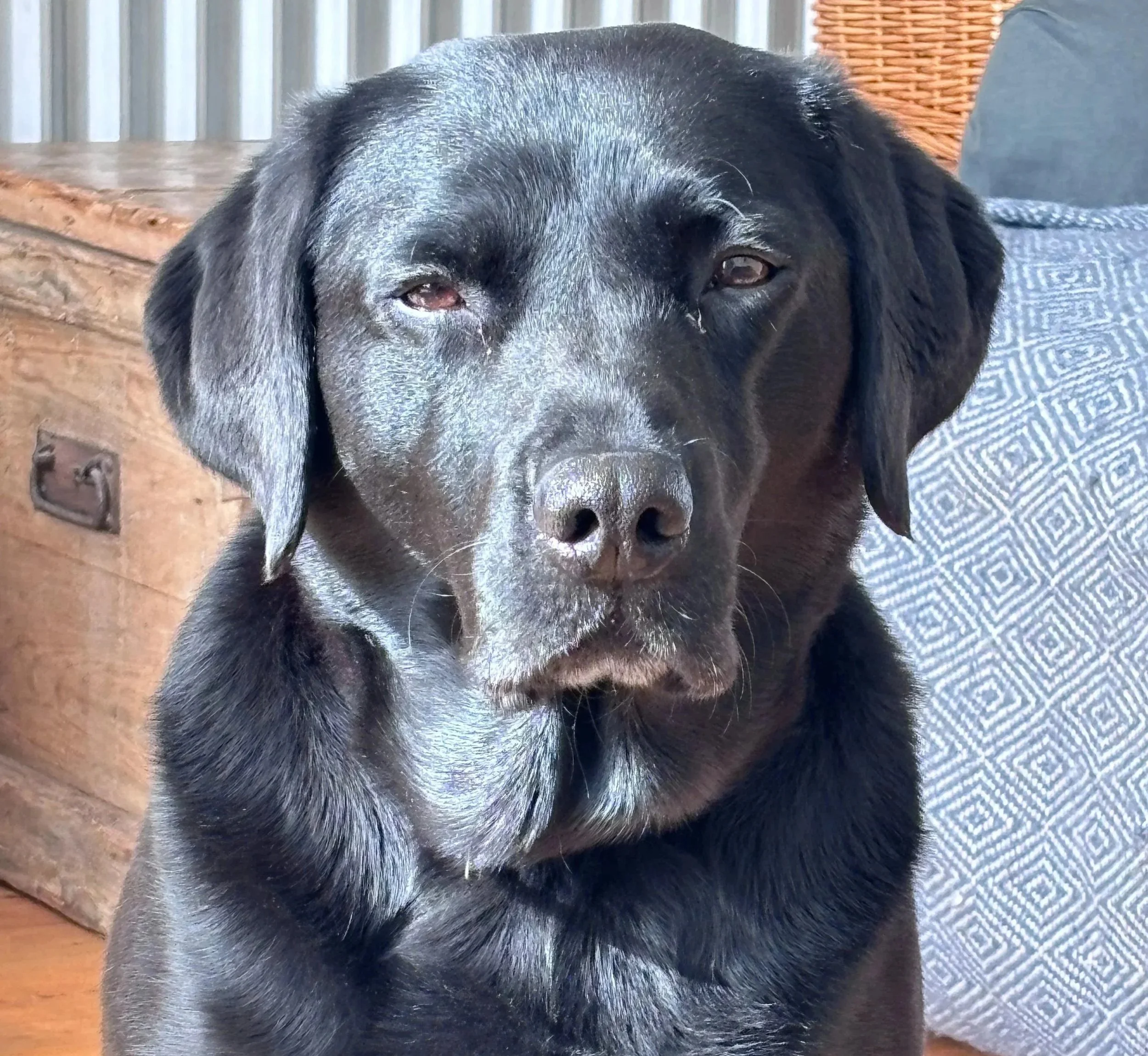
Dougie (or Douglas when he has misbehaved) is a 7-year-old black Labrador, and I can definitely say that having a dog has changed my life.
Not always for the better, if I’m honest: there are the early morning walks in driving rain, the muddy floors, the holidays planned around who can look after him and the stolen food (He is probably one of the 25% of Labradors that have a genetic difference that means that they never feel full up after eating).
But on balance it’s been a massive thing for me.
This morning I got back from a walk on the local common having had two lovely conversations with two different dog owners. Nothing deep. No big subjects. Just a gentle back-and-forth, the kind that almost always starts with the same question: “How old is your dog?”
The embarrassment of chatty parents
It took me back to growing up. My parents talked to everyone on the street: the workmen, the dustman, anyone who happened to be passing. As a teenager I found it mortifying. Why couldn’t they just walk past like normal people?
Somewhere along the way, I seem to have turned into them. And I’m beginning to think they knew something I didn’t.
What is Vitamin S?
Dr Rangan Chatterjee talks about “Vitamin S”, S for social. His point is that the small, random moments of connection we have during the day aren’t just pleasantries. They’re something we need, and he argues they’re as important to our health as any other vitamin.
There’s research to back this up. Psychologist Gillian Sandstrom, now at the University of Sussex, gave people clicker counters to tally every conversation they had in a day, one for close friends and family, one for acquaintances and strangers. People were happier on the days they had more of those light, passing conversations. You can read more here: Why saying hello to strangers can be good for you (NPR, May 2026)
Those brief exchanges with people we barely know (the barista, the neighbour, the stranger on the common) seem to lift our mood and help us feel we belong. They may also help settle the nervous system, a quiet signal that the world is a safe place and that we’re part of it.
We tend to think connection has to be meaningful to count: long talks, close friends, deep conversations. Those matter enormously. But the light touches matter too, and many of us are getting far fewer of them than we used to.
Thank you, Dougie
So this is a small thank you to Dougie, who has introduced me to more people than I could ever have met on my own. Thanks to him, I have random conversations most days. I don’t always remember names (though I usually remember the dogs’), but those moments add up. They make me feel part of this world.
How often do you get your Vitamin S? If the answer is “not very often”, what’s one small way you could top it up this week?